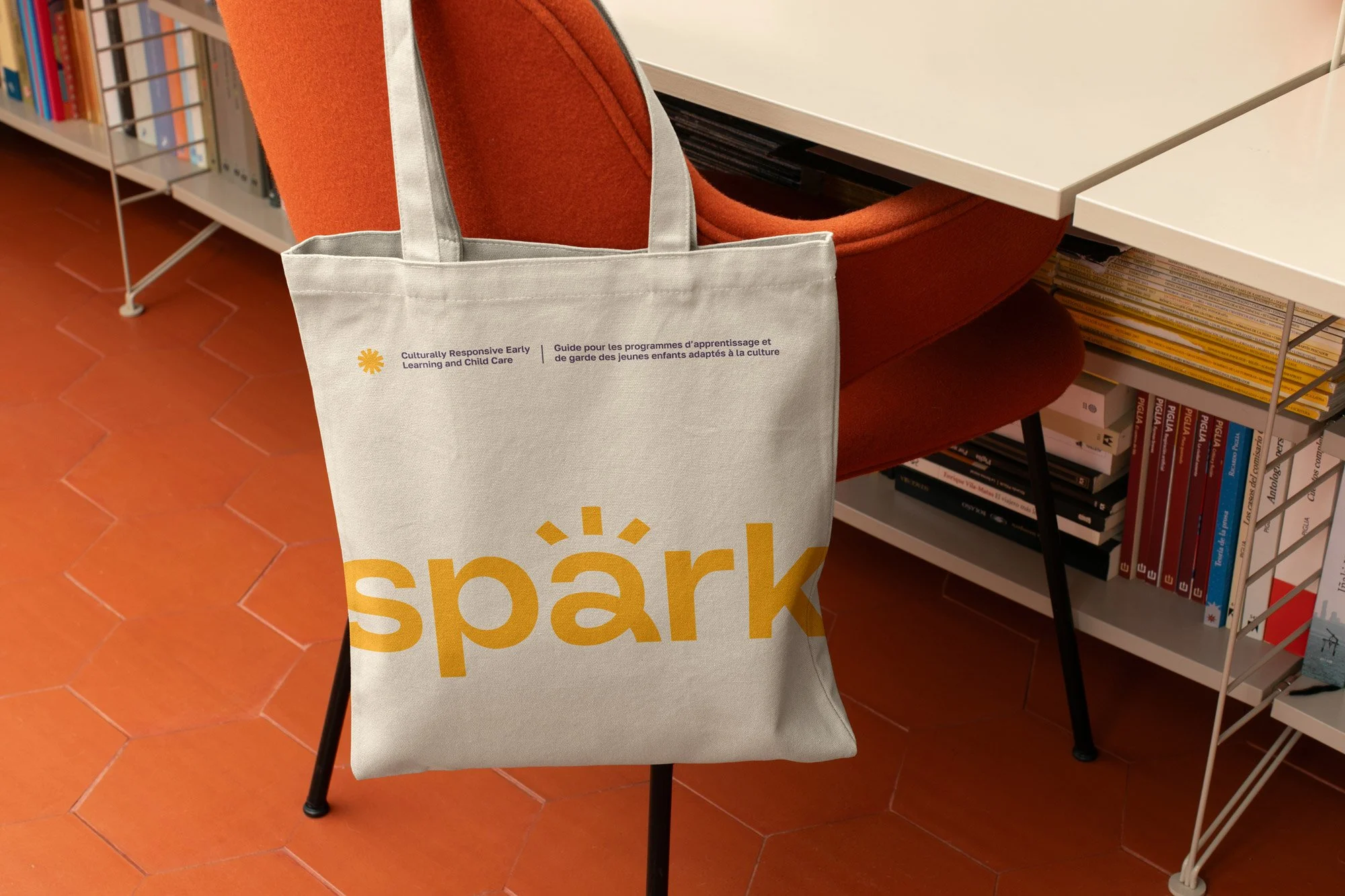
Branding that sparks ongoing learning and growth in early child care and education
Project Background
The Spark Guide is a free resource for early learning and child care educators and caregivers that teaches how to practice culturally responsive care. The guide itself and online supporting resources are centred around creating safe and welcoming spaces for children, their families, and the educators themselves.
By creating a credible yet approachable brand, professional online presence with considered UX, and ease-of-access to the resources we helped successfully launch the guide in Alberta.
*This project was done at Sonder Creative and in collaboration with Hello Public for photography and videography.
Project Scope
Brand and Visual Identity System
Photography and Videography
Website Design (UI + UX)
Wordpress Development
Print Design
My Contributions
Creative Direction and Lead Designer
Brand and Visual Identity System
Website Design (UI + UX)
Hand-off to development

Launch Video: Produced in partnership with Hello Public, the Spark launch video introduced the guide to childcare practitioners and administrators across the province
Opportunity
Spark speaks to educators, directors, operators, and dayhome providers — each with different contexts, needs, and levels of institutional support. The brand needed to feel relevant to all of them.
Working closely with the PolicyWise team who developed the concept and content of the guide itself, we tackled all aspects of the brand. From the naming, visual identity, guide layout, website, launch campaign, and creative direction for photography and video production, all the way to ongoing digital marketing post-launch.
The brand's job was to make the concept feel approachable. Something that started from a research and academic foundation had to land as a warm and practical companion for early childhood educators and caregivers. We wanted the guide to be tool that practitioners reach for, not one they feel obligated to open.
Culturally responsive child care is a deeply important practice but the subject matter can feel heavy, or even guilt-inducing to practitioners who are already stretched thin. The guide needed to meet educators exactly where they are: busy, well-meaning, and genuinely wanting to do better for the children in their care. The tone needed to say "you can do this" rather than "here's what you're doing wrong."
Ultimately, the website and online presence needed to focus on getting the guide into people’s hands. The opportunity was to provide education and awareness for the topic of culturally responsive childcare and help educators see themselves in the language used.



The name spark is intended to inspire and conveys the concept of “sparking conversations” and being a guiding light to help navigate the topic of culturally responsive care.
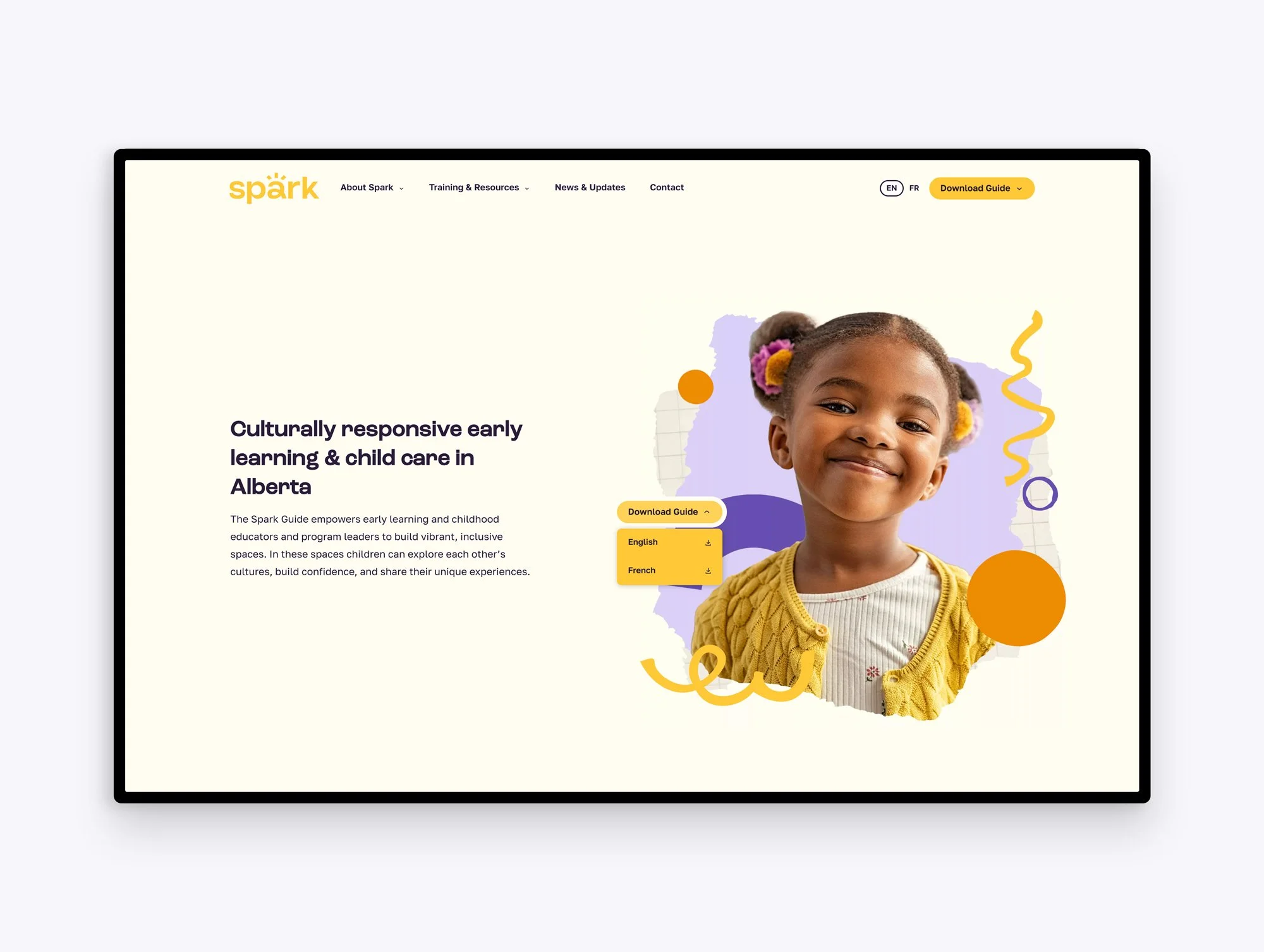
Website home page (hero section). The primary action is to download the guide and make the free resource accessible across the province in both English and French.
Insights
We discovered that the right tone is the difference between something that feels like homework and sits on a shelf, instead of something that educators actually want to engage with.
The guide called for a name that is action-oriented, memorable, and a word that felt like a starting point rather than a destination. "Spark" checked every box: it connects directly to the guide's purpose of igniting new ways of thinking, references the theme of light as guidance and direction, and works as a standalone brand asset that doesn't require the full name to communicate meaning.
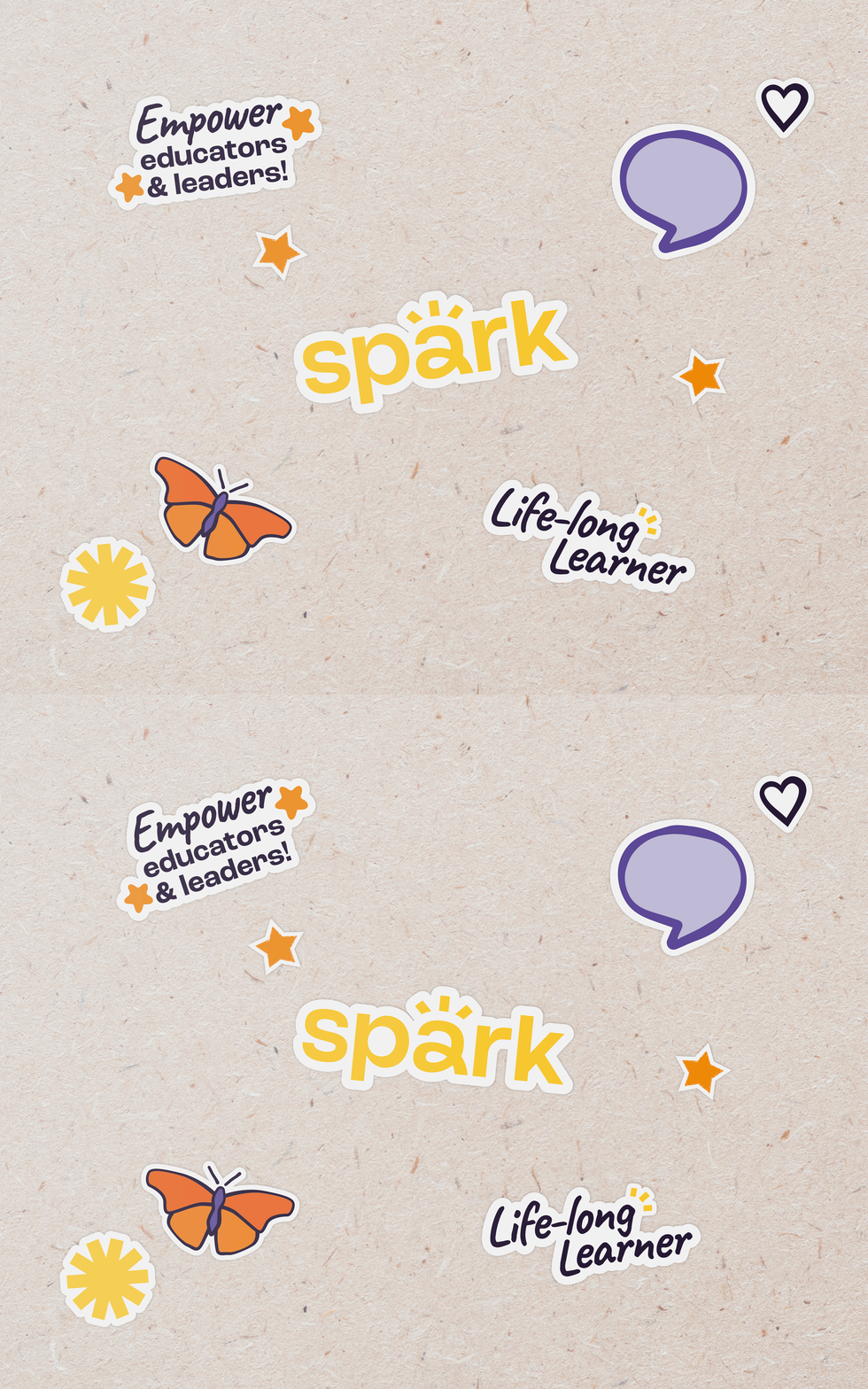
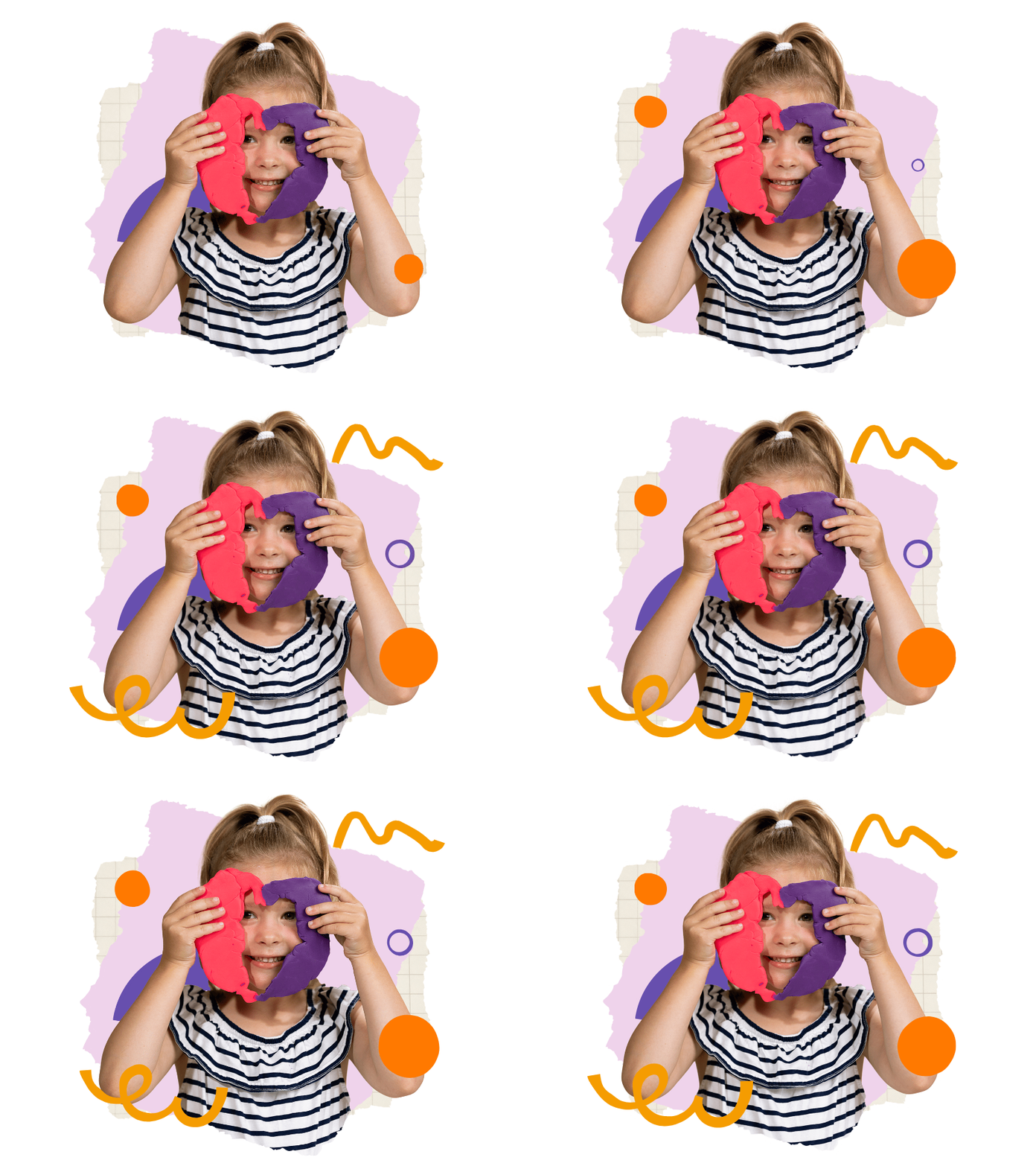
There was opportunity in the brand to represent the idea of on-going learning through sketched and hand drawn imagery. This concept removes the idea of perfection and “checking off the list” in terms of learning and career growth. The guide is intended be a companion that has practices for ongoing learning and real-life scenarios. This style is an accessibility signal. It represents ideas, work-in-progress, and welcomes all skill-levels into the conversation. It also clearly visually ties to the subject matter of children and their creativity and imaginations.
We recognized that community is built after launch, not just at it.The website and social media channels weren't one-time deliverables, they were the beginning of an ongoing relationship with educators across Alberta. The brand needed to be built with longevity in mind, flexible enough to support content creation and educational resources for months and years to come.




We developed the creative brief and visual direction for Spark's brand photography and launch video, then contracted Hello Public to bring it to life. The sessions prioritised showing real children and caregivers in the province.


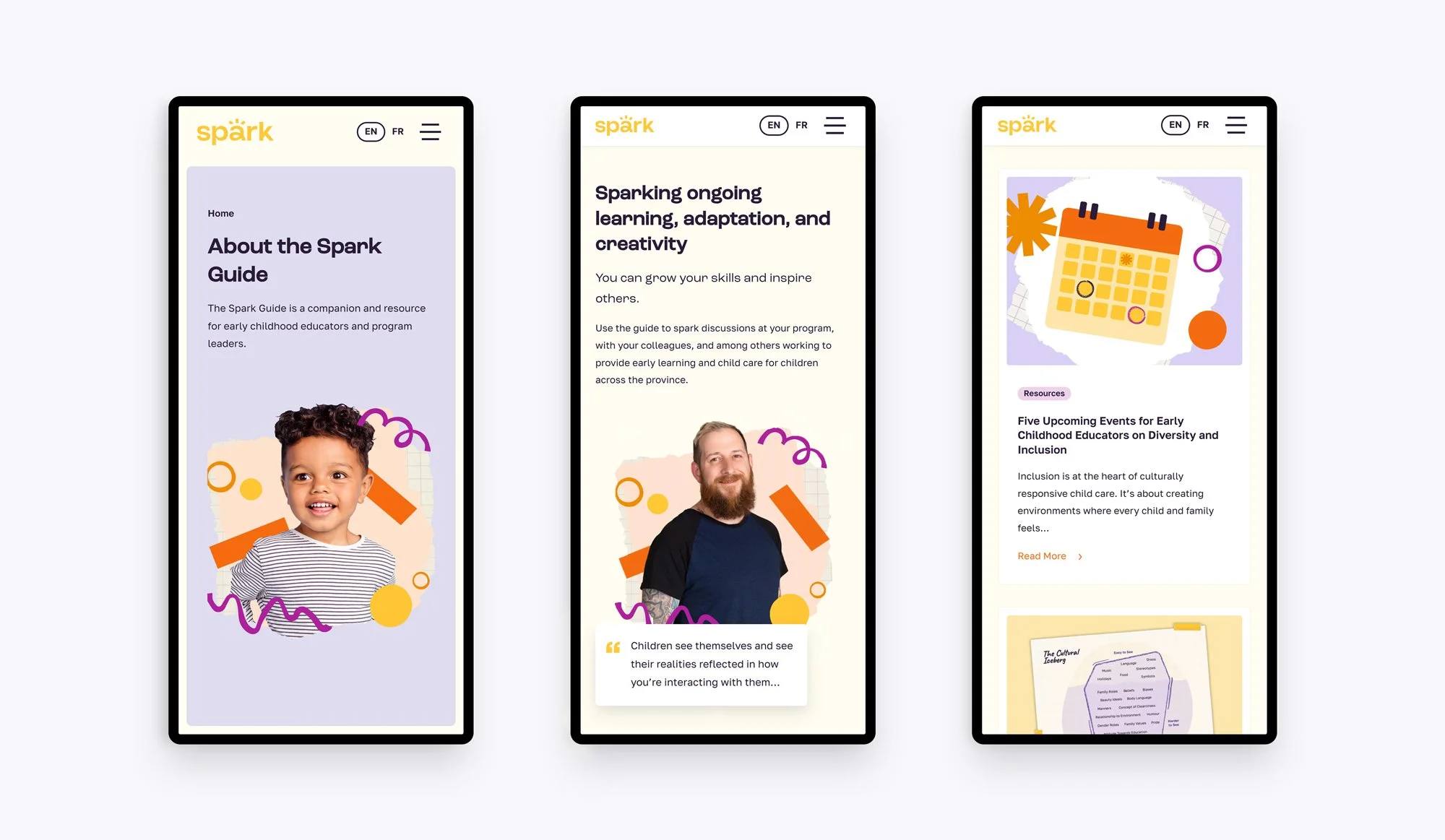
The website's primary job was to drive downloads. With clear calls-to-action, accessible language, and a brand that educators actually want to engage with, Spark achieved exactly that.
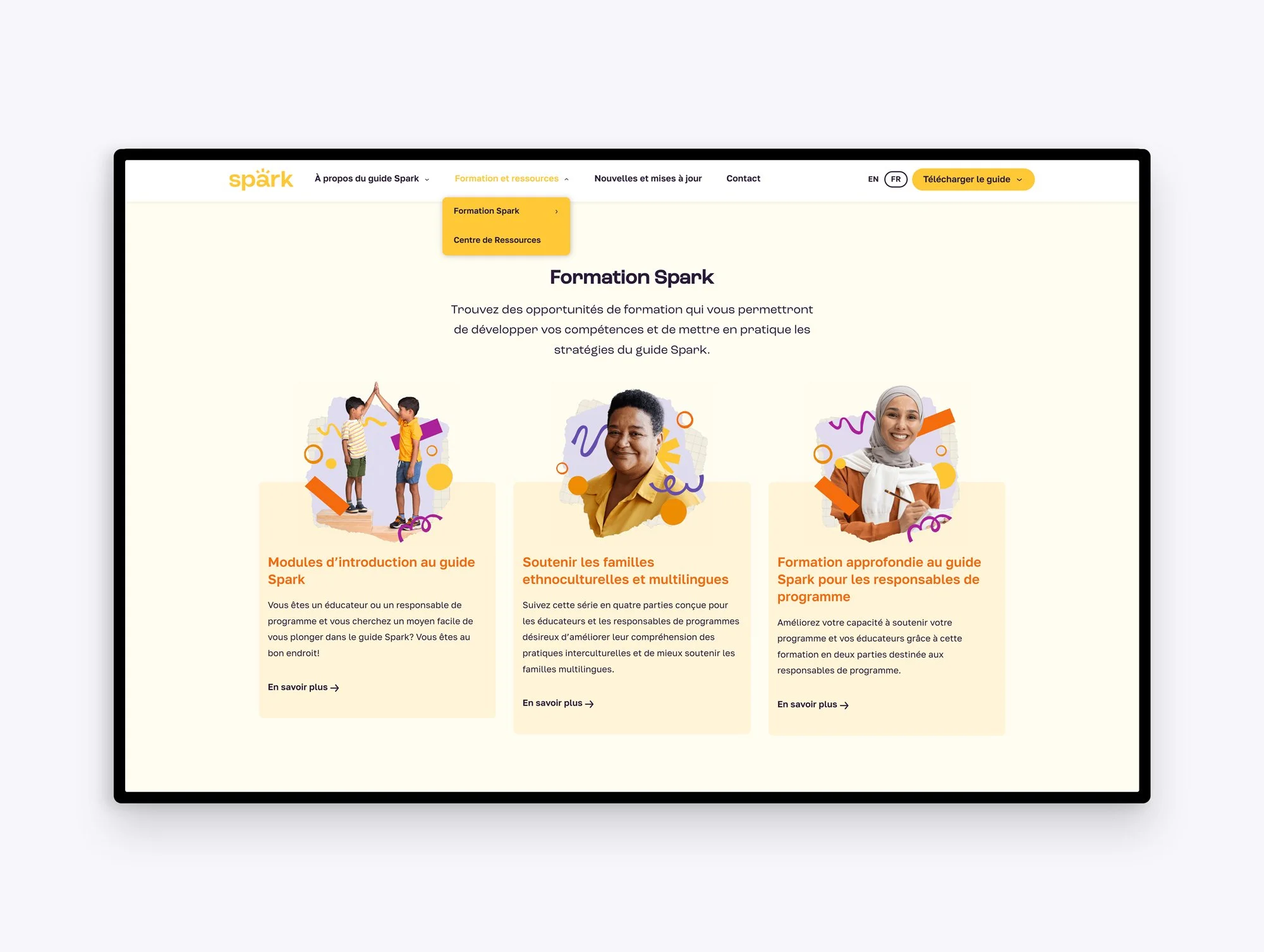
Resources section of the website (French)
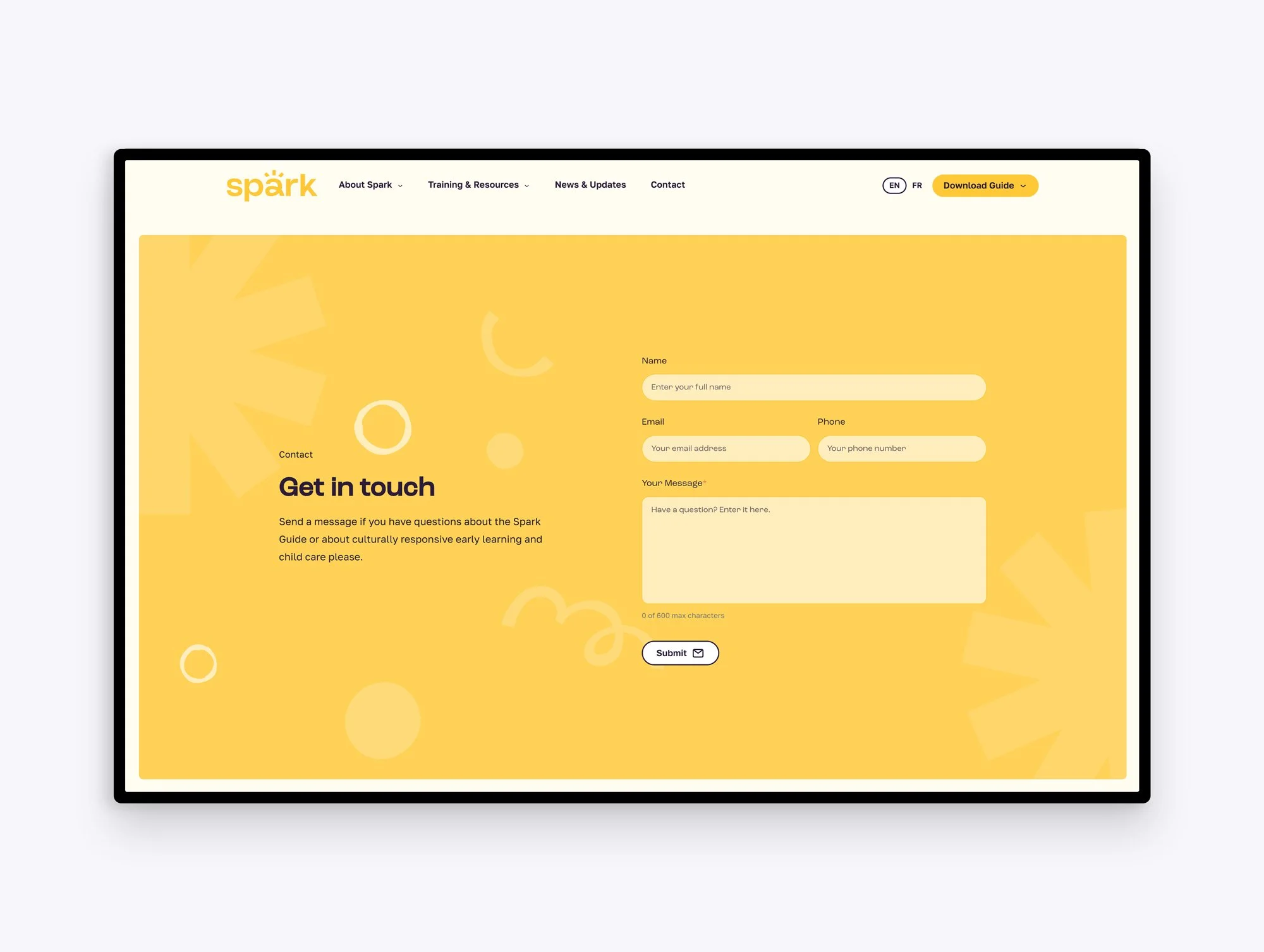
Contact page
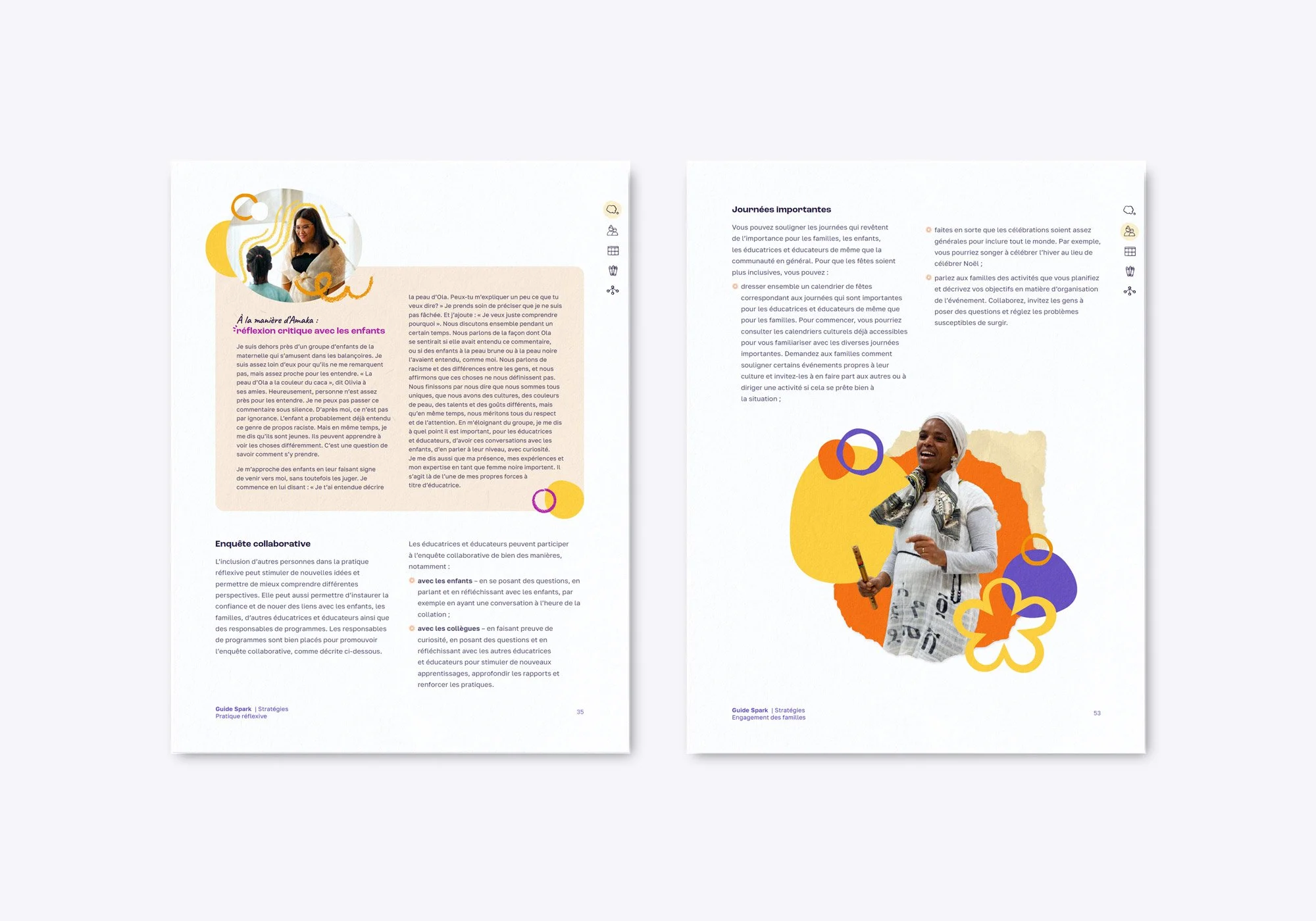
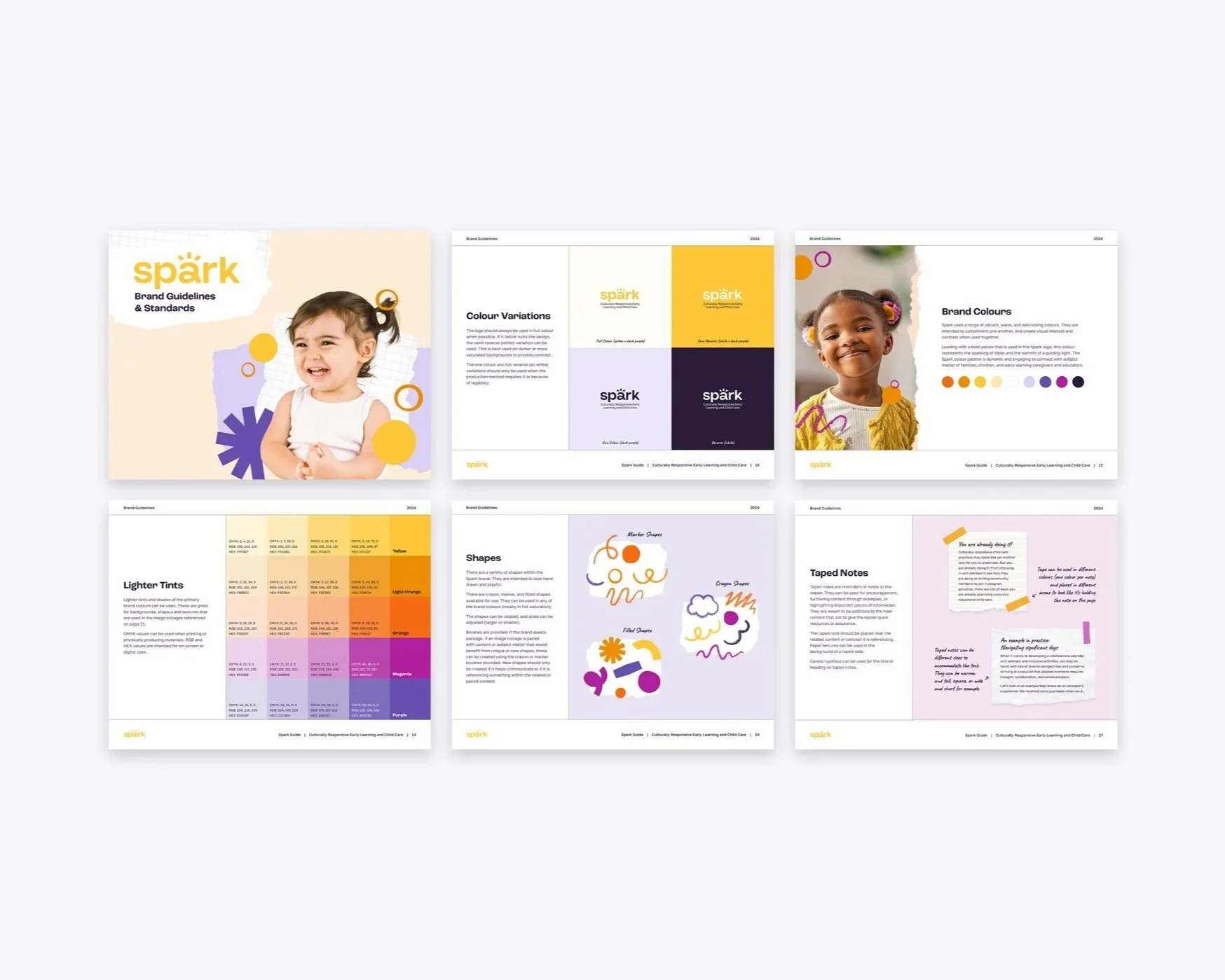
Interior pages of the PDF guide
*The pdf guide was designed by a coworker at Sonder Creative.
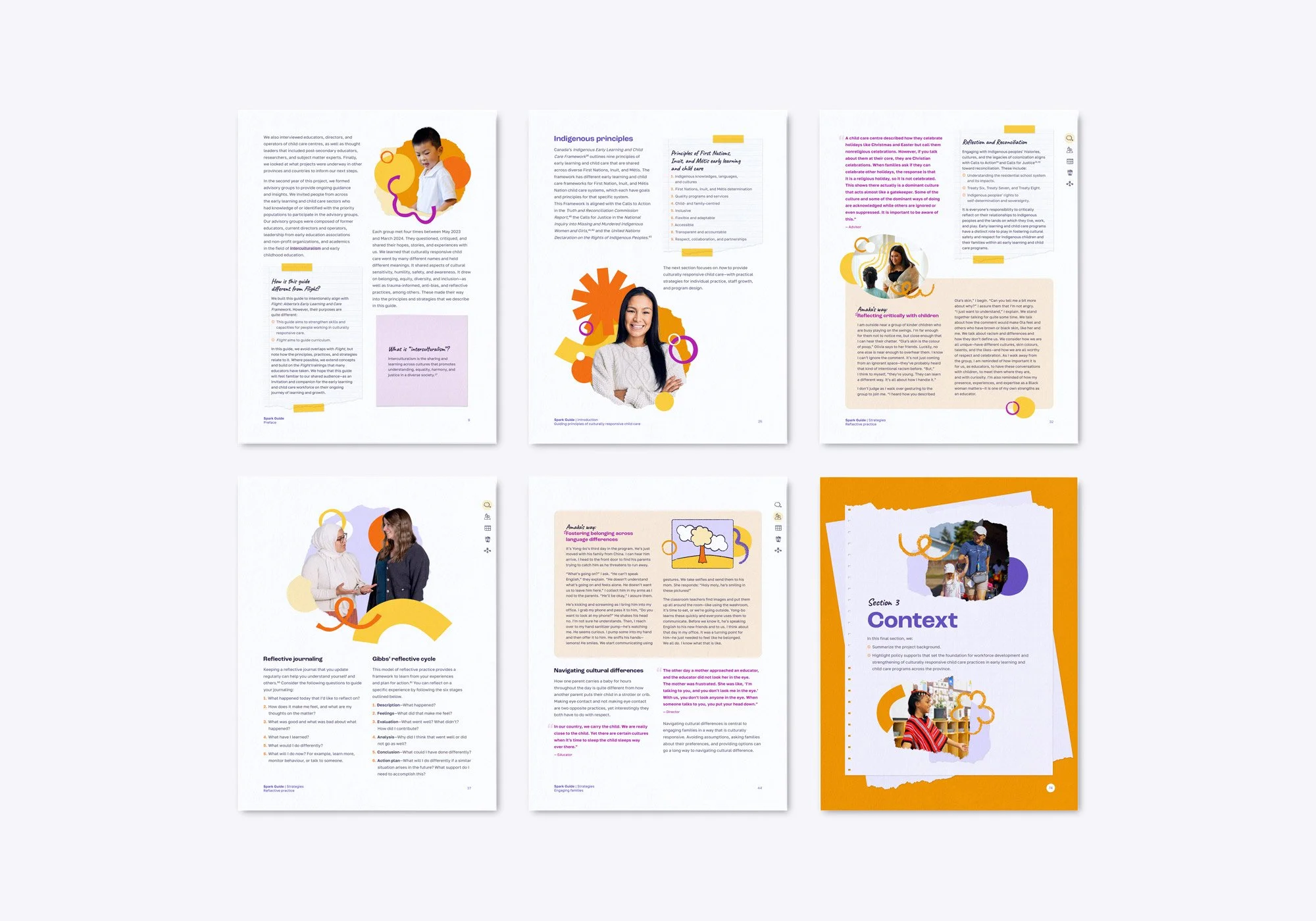
Interior pages of the PDF guide
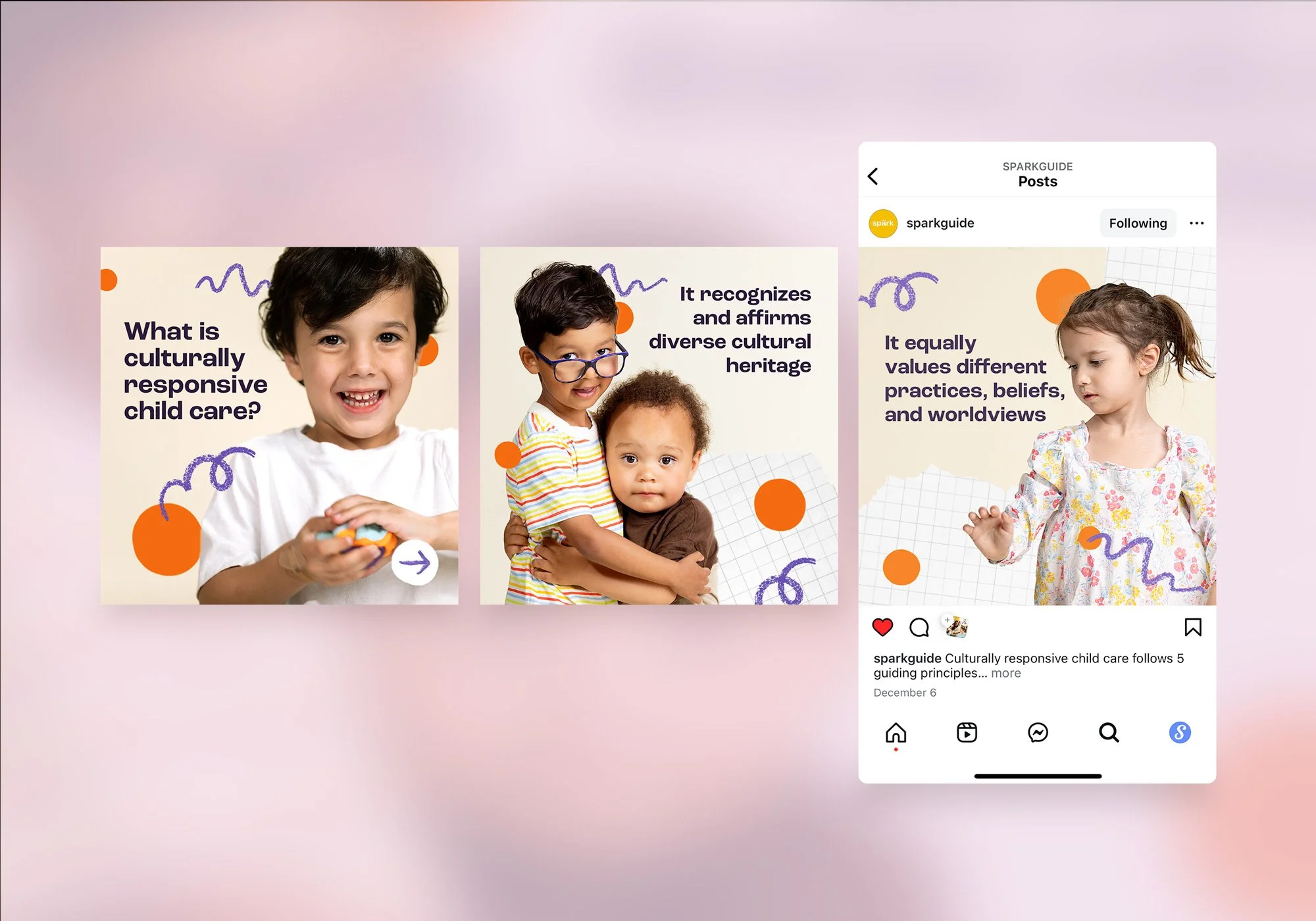
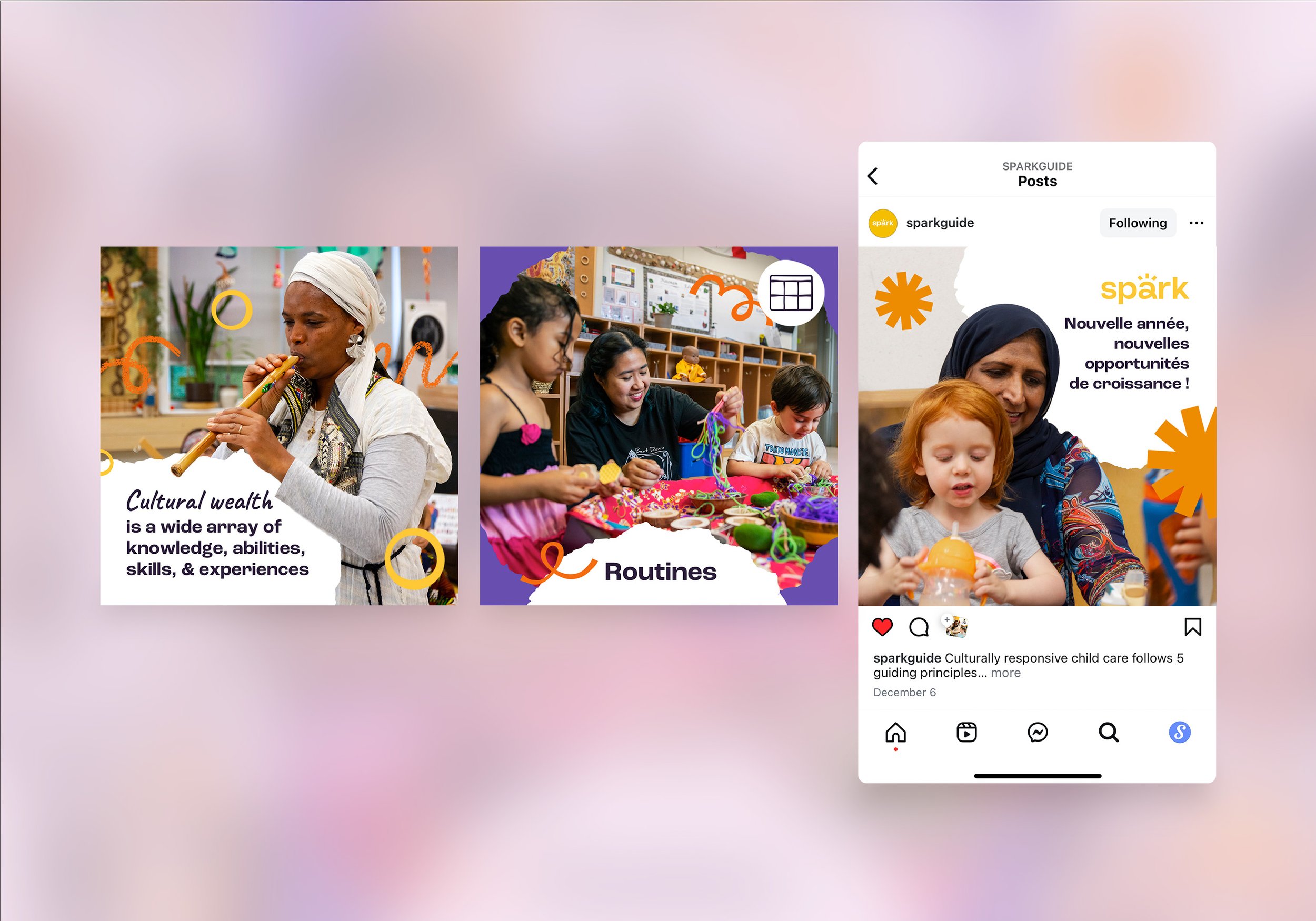
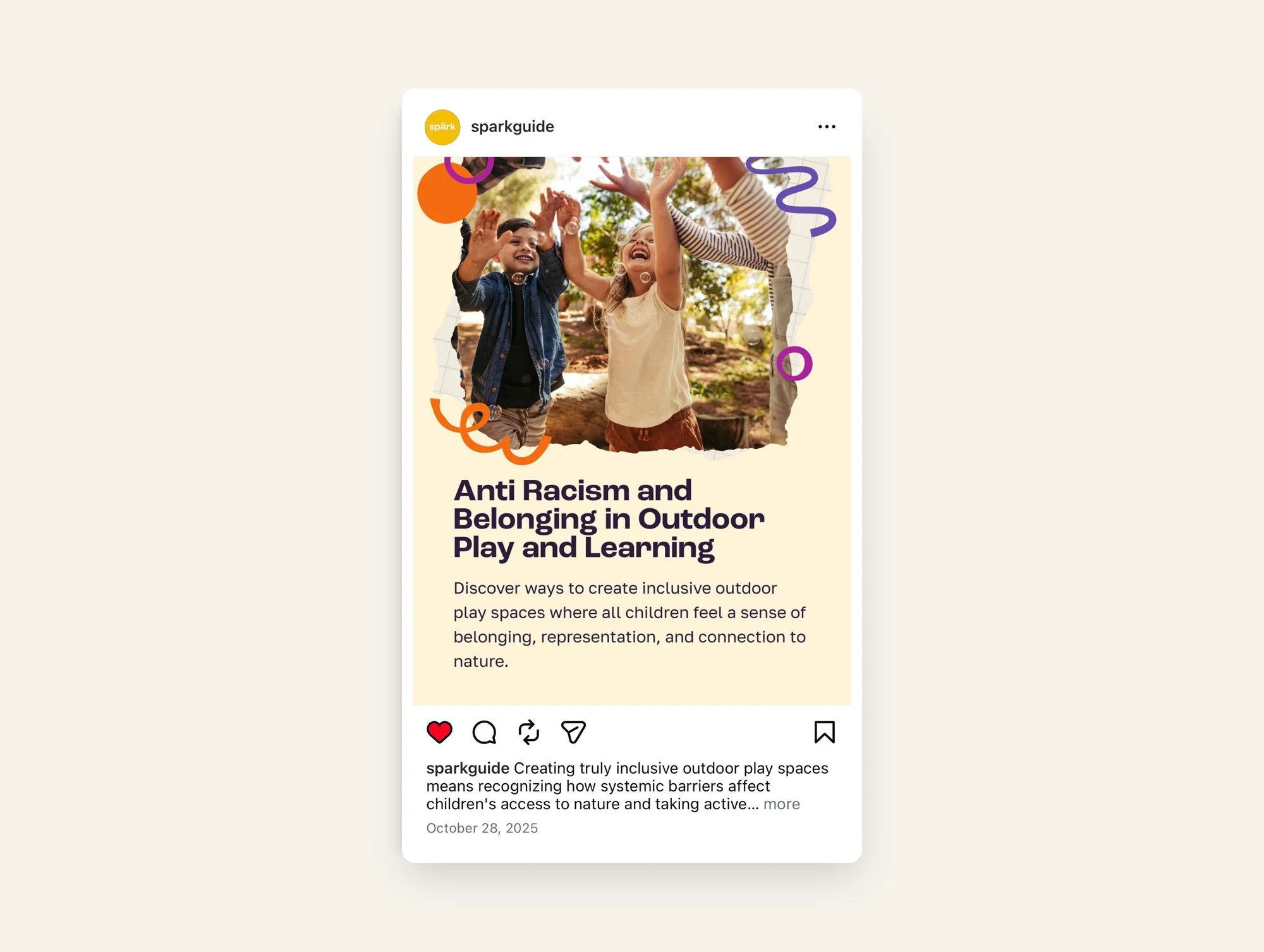

Paid media and content strategies helped grow an organic audience and growth foundation for the guide.
Results
The Spark guide is making it way into the hands of Albertans
The result is a resource that educators and caregivers actually want to pick up. It’s friendly, accessible, and full of practical tools to help them build culturally responsive child care into their everyday practice. The brand has a playful confidence that is both welcoming and approachable. The visual style is consistent and reliable to build trust at the same time.
The Spark website was built to get the guide in the hands of people. The website has one primary job: getting educators, directors, and caregivers to download the guide. Everything else (resources, modules, blog content, community) supports that core action while building an ongoing relationship with users by providing ongoing learning and opportunities.
Following the launch, we focused on growing Spark's audience and building genuine engagement rates. It’s about more than an audience; a community of practitioners who were actually using and sharing the guide with their peers. Content pillars drew on the guide's own chapters: culturally responsive practices, reflective exercises, family engagement strategies, and day-to-day classroom ideas. All of this aimed at giving educators real value with every post